
So you’re thinking about moving to New Zealand, or maybe you’re already here and wondering if the grass might be greener somewhere else. I get it – choosing where to live in a new country (or even just relocating within it) can feel overwhelming. Everyone’s got an opinion, and the tourist brochures make everywhere look like paradise.
Here’s the thing: there’s no single “best” city in New Zealand. I know that’s not the definitive answer you wanted, but it’s the honest one. The best city for you depends entirely on what you value most – career opportunities, affordability, outdoor lifestyle, cultural scene, or maybe just really good coffee and reliable sunshine.
What I can do is break down the main cities and give you an honest assessment of what each one actually offers in 2026, beyond the marketing spin. I’ve ranked these based on overall lifestyle appeal, but I’ll tell you upfront what each city’s really good at and where it falls short.
1. Wellington: The Creative Capital That Punches Above Its Weight
Let’s start with Wellington, because honestly, if lifestyle variety is your thing, this compact capital is hard to beat. Yeah, it’s windy. Really windy. Locals joke that you can experience four seasons in one day, and they’re not kidding. But there’s a reason Wellington consistently attracts creative professionals, government workers, and people who value culture over square footage.
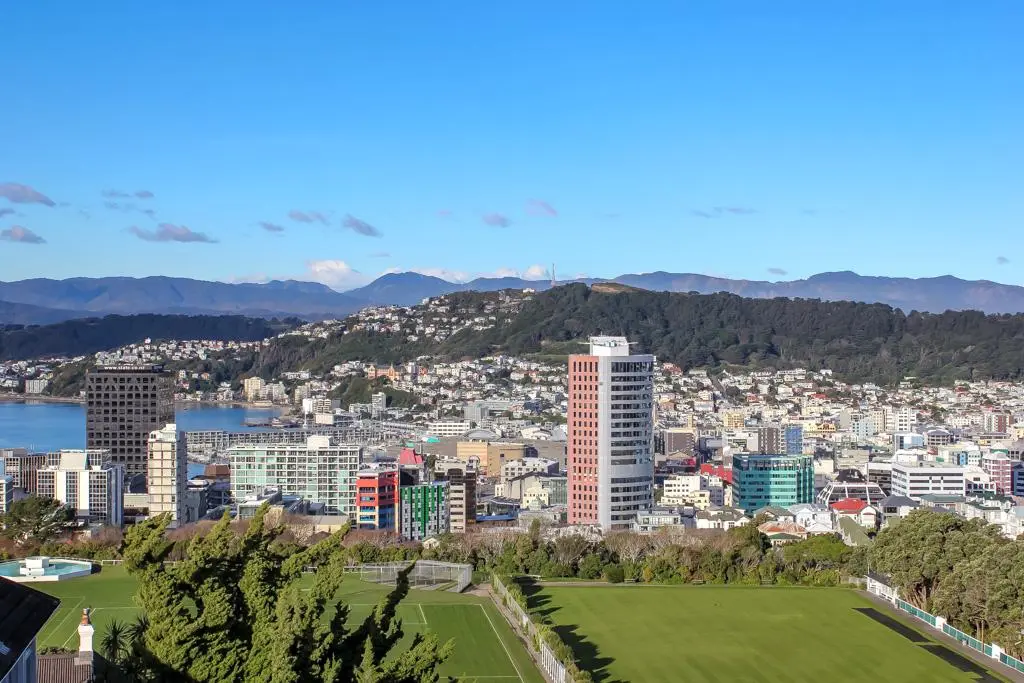
What makes Wellington special: The arts and culture scene here is genuinely world-class. Thanks to Weta FX (Peter Jackson’s film empire), the creative industry is thriving. You’ll find exceptional museums – Te Papa, the national museum, is free and world-renowned. The café culture is legendary, with more cafés per capita than New York City. The food scene is sophisticated without being pretentious, and you’re never more than a 10-minute walk from excellent coffee.
The city is incredibly walkable and compact. Unlike sprawling Auckland, you can live car-free here quite easily. Public transport is decent, and because everything’s so close together, there’s a real sense of community that you don’t always find in larger cities.
The job market: Government jobs make up nearly 20% of Wellington’s employment, which means stable career opportunities, especially if you’re in policy, public service, or technology. The tech and creative sectors are strong, and many agencies actively sponsor work visas for qualified migrants.
Cost of living: It’s expensive, but not Auckland expensive. Housing costs are medium to high, with limited space driving prices up. Expect to pay around NZD $1,800/month for a one-bedroom in the city center. But you’ll save money by not needing a car, which is a big deal in New Zealand where petrol and vehicle costs are significant.
The downsides: The weather really is challenging. The wind is relentless, and the city’s hilly terrain combined with older housing stock means many homes are cold and poorly insulated. Earthquake risk is real – Wellington sits on a major fault line, and it’s something you need to be comfortable with.
Best for: Creative professionals, government workers, people who value cultural amenities over beach lifestyle, those who prefer walkable urban living, and anyone who can appreciate a city that feels more European than typical Kiwi sprawl.
2. Tauranga / Mount Maunganui: The Lifestyle Champion
If someone designed a city specifically for people who want to work a reasonable job and then spend the rest of their time at the beach, it would look a lot like Tauranga. This Bay of Plenty city has transformed from a sleepy beach town into one of New Zealand’s fastest-growing cities, and there’s a reason property investors keep talking about it.
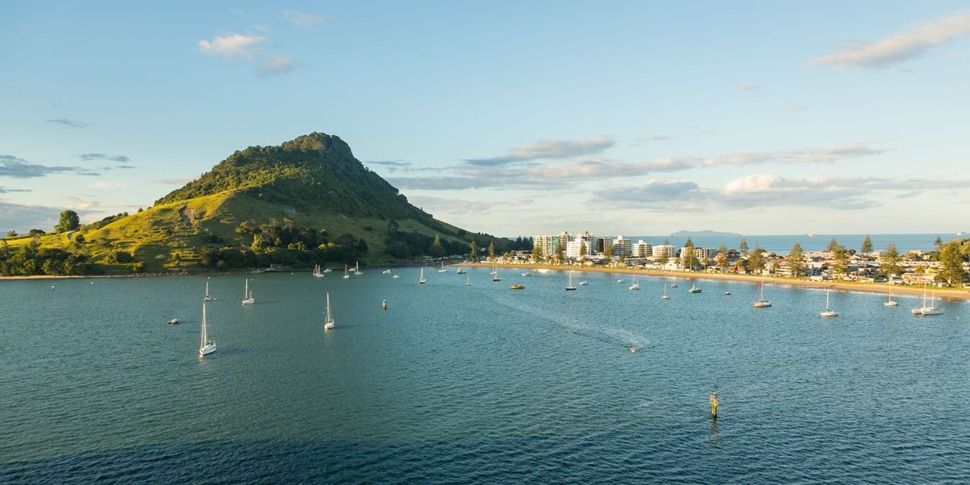
The coastal lifestyle: Mount Maunganui (affectionately called “The Mount”) is an extinct volcanic cone that offers stunning views and easy beach access. With up to 2,600 hours of sunshine annually, this is one of the sunniest spots in New Zealand. The beaches are genuinely beautiful, the surf is consistent, and outdoor activities are built into daily life here, not just weekend treats.
Why people keep moving here: Tauranga keeps attracting professionals, retirees, and families because it offers a genuine quality-of-life improvement. The city has strong employment (particularly in the port, horticulture, and tourism), good schools, and it’s close enough to Auckland (2.5 hours) to feel connected without feeling cramped.
The average property price in Tauranga is around $1,034,834 (as of January 2026), with Mount Maunganui being the most expensive suburb at approximately $1,369,650. Yeah, it’s not cheap. But compared to Auckland, many people feel it’s worth it for the lifestyle upgrade.
The job market: The Port of Tauranga is one of New Zealand’s largest, creating consistent employment in logistics and related industries. Kiwifruit orchards drive the horticulture sector, tourism provides seasonal work, and increasingly, remote workers are choosing to base themselves here.
The challenges: Housing prices have risen significantly, driven by demand from retirees and people escaping Auckland. Rental availability can be tight. And while the job market is growing, it’s still not as diverse as Auckland or Wellington – specialized professionals might struggle to find roles in their exact field.
Best for: Active retirees, young families who prioritize outdoor lifestyle, remote workers, people in horticulture/logistics/tourism, surfers, and anyone for whom “morning beach runs before work” sounds like the dream.
3. Christchurch: The Garden City Rebuilding Itself
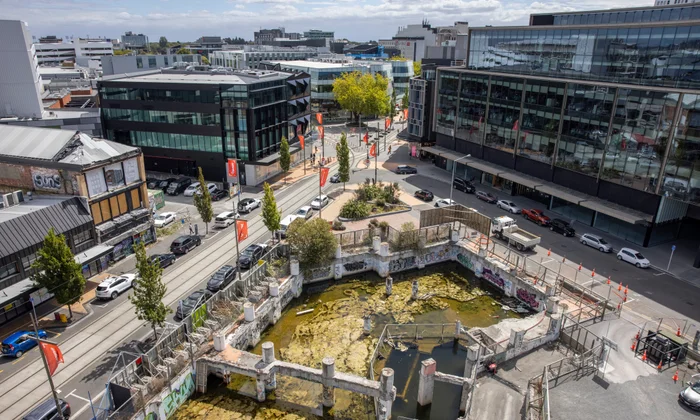
Christchurch has been through hell and back. The 2010-2011 earthquakes devastated the city, but what’s emerged is actually quite remarkable. The rebuilding process has created a more modern, planned city center with better infrastructure than many other New Zealand cities.
What Christchurch offers now: The city provides a rare combination in New Zealand – affordability, job opportunities, good schools, and genuine urban amenities. Housing is notably more affordable than Auckland or Wellington, though prices are rising. You’ll find strong public schooling, excellent healthcare facilities, and a growing tech sector.
The median house price is significantly below Auckland’s, making it attractive for families who want space without going bankrupt. The city has beautiful parks (it’s called the Garden City for a reason), nearby beaches like Sumner, and easy access to skiing in winter.
The job market: Christchurch has a broad employment base including healthcare, education (home to University of Canterbury), technology, and construction. The rebuilding continues to create opportunities, and the city is actively trying to attract skilled workers.
Climate and lifestyle: Christchurch has the best climate of the main cities if you like clear, sunny days. Summers are warm and dry, winters are cold but crisp. It’s less humid than Auckland and less windy than Wellington. The flat terrain makes cycling very popular and practical.
The reality check: The city still bears earthquake scars, both physical and psychological. The CBD rebuild is ongoing, and some areas remain vacant or underutilized. Public transport is the weakest of the major cities – you’ll almost certainly need a car here.
Best for: Families seeking affordability without sacrificing amenities, professionals in healthcare/tech/construction, people who value space and sunshine, cyclists, and those who prefer a more planned, organized city layout.
4. Hamilton: The Underrated Practical Choice
Hamilton gets a bad rap, often dismissed as Auckland’s boring cousin. But here’s what the critics miss: Hamilton offers something increasingly rare in New Zealand – genuine affordability combined with decent job opportunities and easy access to both Auckland and the beaches.
Why Hamilton deserves more credit: It’s 90 minutes from Auckland, which means you can access big-city amenities and the international airport without paying Auckland prices. The city has been investing heavily in cultural and recreational facilities – Hamilton Gardens has won international awards and is genuinely stunning.
The presence of University of Waikato creates a younger, more dynamic atmosphere than you might expect. The student population keeps things culturally interesting while maintaining lower costs than university towns like Dunedin.
Cost of living: This is Hamilton’s secret weapon. Housing costs remain considerably lower than Auckland, Wellington, or even Tauranga. You’ll get significantly more house for your money, with good suburban options for families.
The job market: More diverse than people realize. Technology, research institutions, healthcare, education, and agriculture all provide steady employment. The city’s strategic location makes it attractive for businesses wanting to service the wider Waikato region.
What it’s not: Hamilton isn’t sexy. It doesn’t have the beach lifestyle of Tauranga or the cultural cachet of Wellington. The weather is solid but unremarkable. If you’re looking for excitement and nightlife, you’ll be disappointed.
Best for: Young families prioritizing affordability and space, professionals who don’t need to be in Auckland daily but want access to it, students, people working in agriculture/tech/education, and pragmatists who value a good quality-of-life-to-cost ratio.
5. Queenstown: The Premium Lifestyle (If You Can Afford It)
Let’s be upfront: Queenstown is breathtakingly beautiful and offers an outdoor lifestyle that’s genuinely unmatched. It’s also one of the most expensive places to live in New Zealand, and that’s not changing anytime soon.
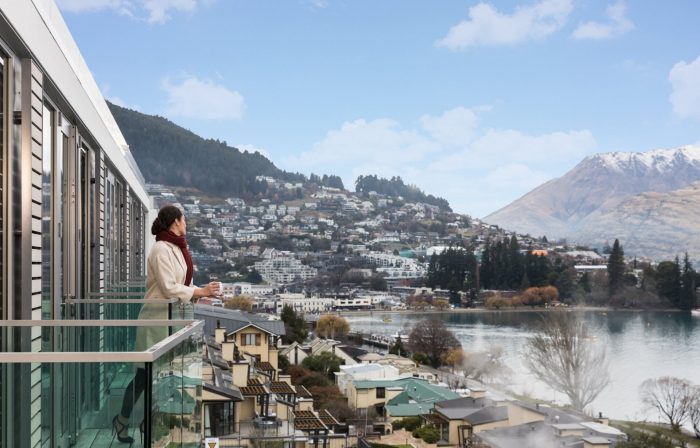
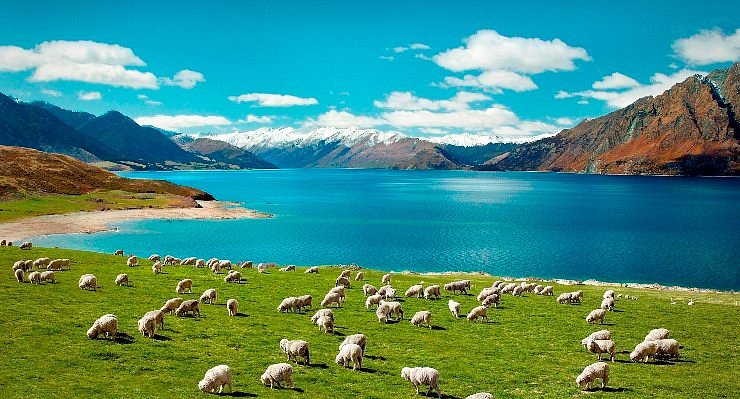
What you’re paying for: Surrounded by mountains and situated on Lake Wakatipu, Queenstown offers unparalleled access to outdoor activities year-round. World-class skiing in winter, hiking and water sports in summer, and stunning scenery every single day. The tourism infrastructure means excellent restaurants, bars, and amenities.
The cost: Property values and living costs sit well above national averages. This isn’t a place you move to on a tight budget. The median rent is higher than Auckland in many cases, and buying property requires serious financial resources. Even groceries and everyday items cost more due to the resort town premium.
Employment: The economy is tourism-driven, which creates plenty of jobs but most are in hospitality, retail, or adventure tourism. If you’re in these sectors or can work remotely with a good income, Queenstown could work. Specialist professionals in other fields may struggle.
The lifestyle trade-off: You’ll live somewhere that other people save up to visit for a week. Every day you can ski, hike, mountain bike, or kayak in stunning surroundings. But you’ll pay dearly for the privilege, and the transient nature of the population means building deep community connections can be challenging.
Best for: Affluent retirees with strong financial resources, remote workers earning good salaries who prioritize outdoor activities, people working in adventure tourism/hospitality who are willing to share housing, and seasonal workers who can handle the higher costs for a temporary lifestyle experience.
6. Dunedin: The Student City With Character

Dunedin often flies under the radar, but it offers something unique: Scottish heritage, strong academic presence, and significantly lower living costs than most major centers. Home to New Zealand’s oldest university (University of Otago), the city has a youthful energy despite its historic architecture.
Cost advantage: This is Dunedin’s biggest selling point. Living costs are notably lower than other main centers. You’ll get more house for less money, though you need to factor in higher heating costs during the colder months.
Culture and community: The student population creates a vibrant atmosphere, particularly in the central city. There’s a growing tech and creative sector in the warehouse precinct. The city has maintained its historic charm while developing modern amenities.
The climate factor: Dunedin is the coldest of the major cities. If you’re from a warm climate or hate cold, grey weather, this might be a dealbreaker. Winters are genuinely cold, and the city’s older housing stock often means less-than-ideal insulation.
Employment: The university dominates employment, along with healthcare and growing tech sectors. Job opportunities are more limited than larger cities, and you’re a long way from other major centers.
Best for: Students (obviously), academics, people who love Victorian architecture, those seeking affordability, individuals who don’t mind cooler weather, and anyone who prefers a city with distinct character over bland modernity.
The Regional Wild Cards Worth Considering
Beyond the main cities, several smaller centers offer compelling lifestyle options if you don’t need big-city employment:
- Nelson: Golden beaches, arts community, wine region, and only a few hours from Wellington by ferry. Premium lifestyle at premium prices.
- New Plymouth: Surfing, smaller city feel, strong local music scene, and more affordable than major centers. Jobs concentrated in oil/gas and teaching.
- Napier/Hastings: Art deco architecture, wine region (Hawke’s Bay), elevated dining, and cultural events. Smaller job market but beautiful lifestyle.
- Palmerston North: University town with surprisingly good rental yields and steady employment in government and healthcare. Not flashy, but practical and affordable.
The Bottom Line
Here’s my honest advice: forget about finding the “best” city and instead figure out your non-negotiables.
If you need a strong job market in a specific field, Auckland or Wellington are probably your only realistic options, despite the higher costs. If you’re prioritizing beach lifestyle and can find work remotely or in specific sectors, Tauranga is hard to beat. If you want the most house for your money while maintaining decent amenities, look at Christchurch or Hamilton. If you’re loaded and want to live in a resort town permanently, Queenstown awaits.
The good news? New Zealand is small enough that you’re never that far from anywhere else. A “wrong” choice isn’t catastrophic – you can always move, and you’ll have learned what matters most to you in the process.
My suggestion: if possible, spend a few weeks in your top choice cities before committing. Rent for the first six months to a year. Talk to locals, not just expats in your situation. Visit in different seasons if you can, because New Zealand weather varies dramatically.
And remember: every city in New Zealand offers something most places in the world don’t – genuine safety, spectacular natural beauty nearby, and a quality of life that’s hard to quantify but impossible to ignore once you experience it. The “best” city is simply the one where you’ll actually enjoy living that life.