
When you think about food in New Zealand, you might picture lamb, fish and chips, or maybe something British-inspired. And while those things do exist, they only scratch the surface of what people here actually eat day to day.
If you really want to understand the local food scene, you need to look beyond tourist menus and Instagram hotspots. What you’ll discover instead is a mix of cultures, fresh ingredients, and simple but high-quality meals that reflect the country’s lifestyle—laid-back, outdoorsy, and very connected to nature.
This isn’t a cuisine that tries too hard. It’s not about complicated dishes or heavy sauces. It’s about good ingredients, cooked well, and enjoyed without fuss.
Let’s break down what you’re actually likely to eat when you’re in New Zealand.
Everyday Food Is Simple, Fresh, and Surprisingly Global
When you’re living or traveling in New Zealand, one of the first things you’ll notice is how normal the food feels—but in a good way.
Locals don’t eat overly processed meals all the time, and they’re not stuck in one culinary tradition. Instead, daily meals are influenced by a mix of British roots, Māori heritage, and strong Asian and Pacific flavors.
If you walk into a regular café in Auckland or Wellington, you’ll see menus that blend everything together naturally. A typical brunch might include eggs on sourdough, avocado, roasted vegetables, and locally sourced meat or fish.
What stands out isn’t complexity—it’s quality. Ingredients are often local, seasonal, and fresh. Even something as simple as toast or eggs tastes better because the base products are better.
Café Culture Is a Big Part of Daily Life
If you want to understand how locals eat, spend time in cafés. Seriously—it’s where a lot of daily food culture happens.
Coffee is taken seriously here. Influenced by neighboring Australia, New Zealand has a strong coffee scene, and drinks like flat whites are part of everyday life.
But cafés aren’t just about coffee. They’re where people meet friends, work remotely, or take a break during the day. And the food is just as important as the drinks.
You’ll notice that menus are:
- Seasonal rather than fixed
- Focused on brunch-style meals
- Built around fresh produce
You might order something simple like eggs, but it comes with thoughtful additions—herbs, house-made sauces, or perfectly toasted bread. It’s casual, but there’s attention to detail.
Seafood Is Everywhere—and It’s Actually Fresh
Being surrounded by ocean makes a huge difference. Seafood in New Zealand isn’t just common—it’s part of everyday eating.
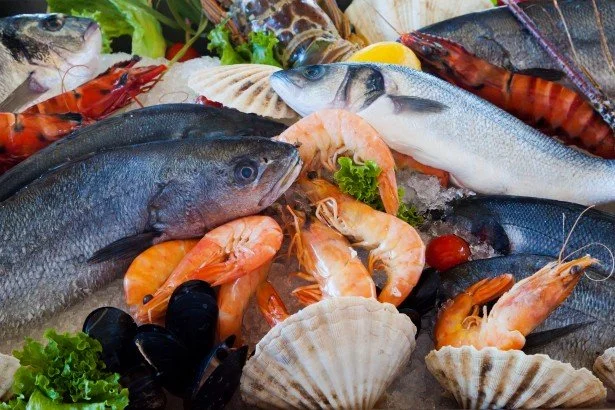
If you’re near the coast (which is most places), you’ll find incredibly fresh options. Locals don’t always make a big deal out of it—it’s just normal.
Some of the seafood you’ll come across includes:
- Green-lipped mussels – These are unique to New Zealand and often served steamed with simple flavors like garlic or white wine. They’re large, tender, and slightly sweet.
- Snapper – A popular local fish, often grilled or served in fish and chips. It’s mild and flaky, making it a go-to choice.
- Crayfish (rock lobster) – Not an everyday meal for everyone, but widely available in coastal regions and often enjoyed simply, without heavy seasoning.
- Fish and chips – Still a classic, but here it’s usually made with very fresh fish, which makes a noticeable difference.
What makes seafood here special isn’t just the variety—it’s how little it’s overworked. You’re tasting the ingredient itself, not layers of sauces or seasoning.
Māori Food Traditions Still Influence What You Eat
To really understand food in New Zealand, you need to recognize the influence of Māori culture.
Traditional Māori cooking is based on simplicity and connection to the land. One of the most well-known methods is hangi, where food is cooked underground using heated stones.
You might experience a hangi meal in places like Rotorua, but the influence goes beyond that.
It shows up in:
- The use of root vegetables like kūmara (sweet potato)
- A focus on slow cooking
- Respect for natural flavors
Even if you’re not eating a traditional hangi, the philosophy behind it—keeping things simple and grounded—still shapes how food is prepared across the country.
Classic “Kiwi” Foods Are Still Around—But Evolving
There are some foods that locals grow up with—things that feel nostalgic rather than trendy.
Before going further, it’s worth looking at a few classic Kiwi staples you’re likely to encounter:
- Meat pies – Found everywhere from gas stations to bakeries. They’re quick, filling, and surprisingly good, often filled with steak, cheese, or mince.
- Fish and chips – A takeaway staple, usually eaten casually, sometimes by the beach.
- Roast dinners – Still common, especially at home, reflecting British influence.
- Sausage rolls – Another bakery favorite, simple but popular.
What’s interesting is that these foods haven’t disappeared—they’ve just adapted. You’ll now find gourmet versions of pies, higher-quality ingredients, and more creative variations.
So while the roots are traditional, the execution is slowly becoming more modern.
Asian Influence Is Strong (and Growing)
One thing many travelers don’t expect is how strong Asian food culture is in New Zealand.
Cities like Auckland have large Asian communities, and that influence shows up everywhere—from casual takeaways to high-end dining.
You’ll find:
- Authentic Chinese, Japanese, Korean, and Thai restaurants
- Fusion dishes blending Asian and Western flavors
- High-quality street food-style meals
And this isn’t “adapted” cuisine—it’s often very close to what you’d find in the countries themselves.
For locals, eating Asian food isn’t something special—it’s just part of the weekly routine.
Desserts Are Simple but Iconic
New Zealand doesn’t have an overly complicated dessert culture, but it does have a few standouts that people feel strongly about.
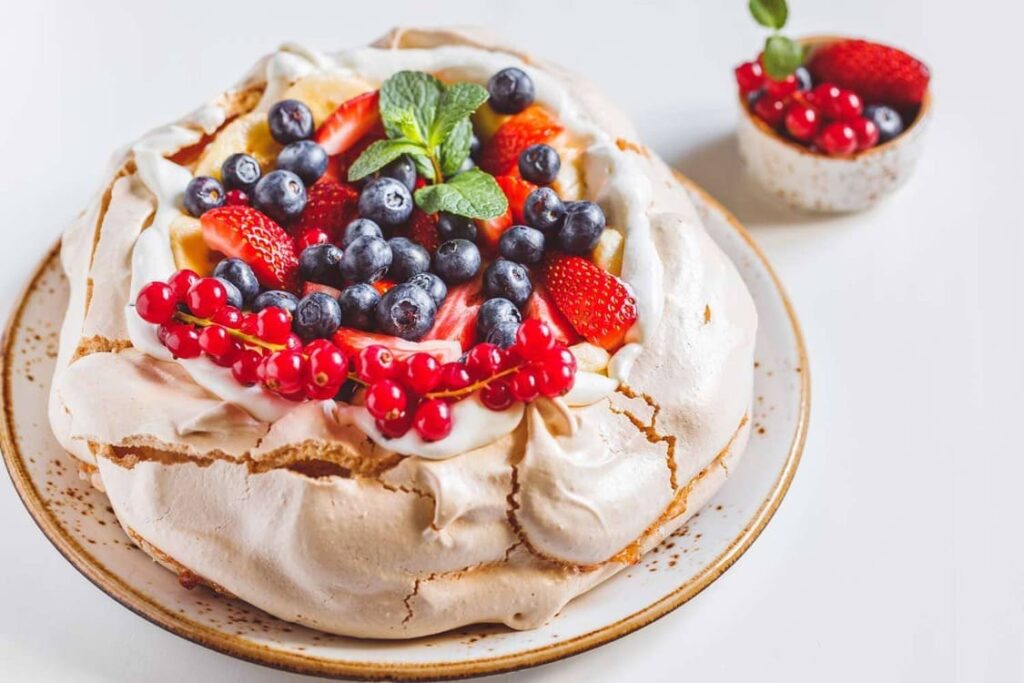
The most famous is the Pavlova. It’s light, crispy on the outside, soft inside, and usually topped with cream and fresh fruit like kiwi or berries.
Another popular treat is:
- Ice cream—especially in summer, often made with local dairy and fresh fruit
- Baking like slices, muffins, and cakes, often homemade or café-style
Desserts here follow the same pattern as everything else: simple, ingredient-focused, and not overly heavy.
Farmers’ Markets and Local Produce Matter More Than You Think
If you want to eat like a local, skip supermarkets for a moment and visit a farmers’ market.
These markets are common across the country and reflect how much people value fresh, local food. You’ll find:
- Seasonal fruits and vegetables
- Artisan bread and cheese
- Local honey and preserves
What stands out is how connected people are to their food sources. It’s not unusual for someone to know where their produce comes from—or even who grew it.
This connection influences how people cook at home. Meals are often built around what’s available rather than strict recipes.
Final Thoughts
The food scene in New Zealand isn’t about one defining cuisine—it’s about balance. You get a mix of strong local ingredients, cultural influences from around the world, and a relaxed, no-pressure approach to eating. If you go expecting fine dining everywhere, you might miss the point. But if you pay attention to everyday meals—the cafés, the bakeries, the markets—you’ll start to understand what locals actually eat. And in many ways, that’s where the real experience is.