
If you’ve ever visited New Zealand, you might have noticed that coffee isn’t just a drink here—it’s a way of life. Locals take their coffee seriously, and the café culture in New Zealand has evolved into something uniquely Kiwi. While the flat white has become a global symbol of New Zealand’s coffee scene, the reality is much richer. From independent cafés to specialty roasters, coffee in New Zealand is about community, craftsmanship, and daily rituals that define the pace of life.
In this article, you’ll discover the essence of Kiwi coffee culture, how it differs from other countries, and why it’s such a central part of everyday life for locals.
The Rise of the Flat White and What It Really Means
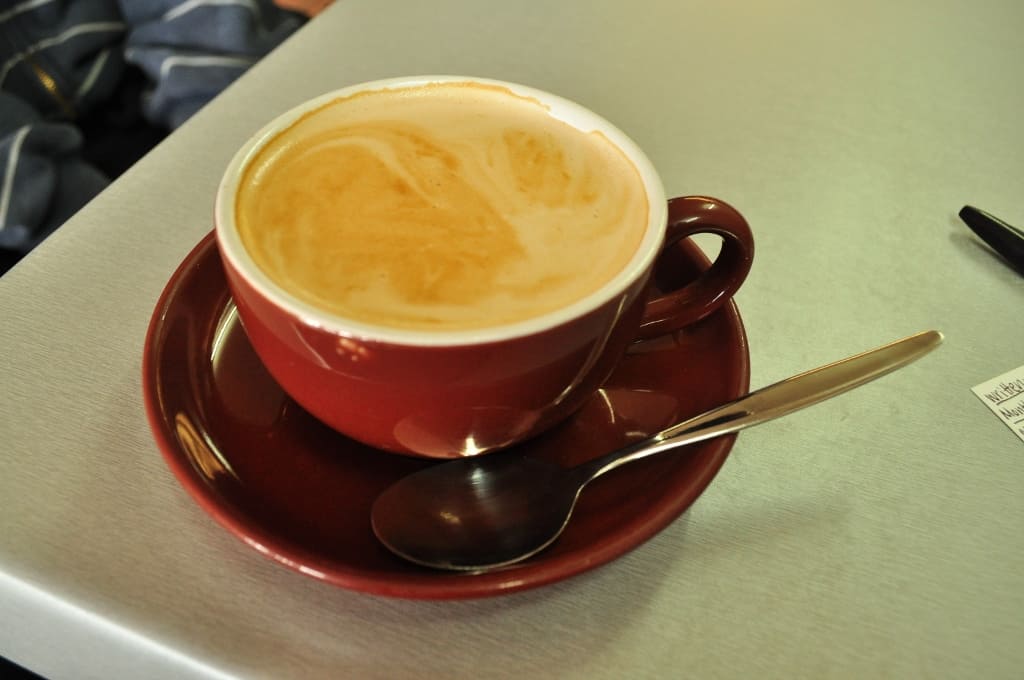
When people think of coffee in New Zealand, the flat white is often the first thing that comes to mind. Invented in Australia or New Zealand—there’s still friendly debate among locals—the flat white is a small, strong espresso with velvety steamed milk. But the flat white isn’t just a beverage; it’s a ritual.
Ordering a flat white is about more than taste—it’s about pace and intention. Kiwis often grab one on their way to work, meet a friend for a morning chat, or linger over one while reading the newspaper at a local café. Unlike the giant takeaway lattes common in other countries, the flat white is designed for balance: strong espresso, smooth milk, and a modest size that fits naturally into daily routines.
The popularity of the flat white has also shaped New Zealand’s café industry. Most cafés focus on quality over quantity, investing in skilled baristas and high-grade beans. This dedication has helped New Zealand punch above its weight on the global coffee stage, with small roasters and independent cafés gaining international recognition.
Specialty Coffee and the Barista Movement
Beyond the flat white, New Zealand has embraced specialty coffee in a big way. Over the past decade, independent cafés have popped up in every city and town, pushing the boundaries of brewing methods and coffee sourcing. You’ll find everything from pour-over and Chemex to cold brew and siphon coffee, often accompanied by detailed information about bean origin, roast profiles, and tasting notes.
Baristas in New Zealand are highly skilled and take pride in their craft. Unlike in some countries where coffee might feel like a quick commodity, here you’ll notice the artistry involved. Latte art is common, but it’s also about understanding the beans, the grind, and the brewing method to bring out subtle flavors. Visiting a local café isn’t just about caffeine—it’s an experience. Many Kiwis are happy to chat about coffee, the best local roasters, and even the difference between beans from Ethiopia, Colombia, or Papua New Guinea.
The focus on quality extends to sustainability as well. Many specialty coffee shops in New Zealand prioritize ethically sourced beans, often partnering directly with small farms. You’ll also see cafés offering compostable cups, reusable options, and initiatives to reduce waste, reflecting a wider Kiwi commitment to environmental consciousness.
Coffee Culture in Daily Life
What sets New Zealand apart is how coffee is woven into everyday life. Unlike in some cultures where coffee is purely functional, here it’s social, meditative, and often local. Weekends are prime coffee time, with families and friends visiting local cafés, sometimes traveling miles to reach a particularly renowned barista.
For many locals, coffee shops act as community hubs. You might find artists sketching in the corner, students with laptops, or older residents enjoying a quiet morning chat. Even in smaller towns, the local café is often a central gathering place, and knowing your barista or having a favorite spot is part of being “in the community.”
The coffee culture also influences other aspects of life. Meetings are often held over coffee rather than formal office settings. Catching up with friends or colleagues over a latte or cappuccino is common, and coffee breaks are considered essential to maintaining work-life balance.
The Influence of Māori and Local Flavors
New Zealand coffee culture is not just about the drink itself—it’s about integrating local identity. Some cafés experiment with Māori-inspired ingredients, such as kawakawa-infused syrups or native honey in specialty drinks. This blend of traditional ingredients and modern coffee techniques creates a distinct Kiwi flavor profile that you won’t find anywhere else.
Local pastries, breads, and snacks also complement the coffee experience. You might enjoy a buttery Kiwi scone, a slice of pavlova, or a savory meat pie alongside your morning espresso. Many cafés collaborate with local bakers and food producers, emphasizing freshness and supporting the community.
This connection between coffee and food is a hallmark of New Zealand cafés. It’s not just about drinking coffee quickly—it’s about savoring the moment, appreciating local flavors, and enjoying the communal atmosphere.
Coffee Tourism: Exploring the Scene
If you’re a coffee enthusiast, New Zealand is a destination in its own right. Cities like Auckland, Wellington, and Christchurch have vibrant coffee scenes, each with its own character. Wellington, often called the “coffee capital of New Zealand,” is renowned for independent roasters, hip cafés, and intense barista competitions. Auckland combines cosmopolitan trends with local authenticity, while Christchurch offers a more relaxed, experimental approach.
Many tourists are surprised at how seriously locals take coffee. It’s common to see people queuing for their favorite café, discussing new bean varieties, or exploring micro-roasteries tucked away in side streets. Visiting these cafés gives you a window into Kiwi life, showing how a simple cup of coffee is part of culture, identity, and daily rhythm.
Even outside major cities, smaller towns maintain a strong café culture. In some places, the local coffee shop is a lifeline for the community, offering warmth, conversation, and a sense of belonging. For anyone moving to New Zealand, embracing the café culture is often a key to integrating into local life.
Beyond Coffee: The Kiwi Approach
What’s fascinating about coffee culture in New Zealand is how it reflects broader Kiwi values. Kiwis value quality, authenticity, and community, and these principles are evident in the way they drink coffee. It’s not about speed or mass consumption—it’s about enjoyment, ritual, and connection.
The focus on sustainability and ethical sourcing mirrors national attitudes toward the environment. The welcoming and casual café atmosphere reflects the country’s friendly, egalitarian society. Even the preference for independent cafés over large chains underscores a desire to support local businesses and maintain authenticity.
By engaging with coffee culture, you’re not just drinking a beverage—you’re participating in a social ecosystem, experiencing local craftsmanship, and understanding Kiwi priorities in a very tangible way.
Final Thoughts
The Kiwi coffee culture goes far beyond the flat white. It’s about ritual, community, and the simple joy of a well-crafted cup of coffee. Whether you’re sipping a perfectly balanced flat white, exploring a pour-over from a local roaster, or chatting with a barista about the origin of their beans, coffee in New Zealand is a deeply social and cultural experience.
If you spend time in New Zealand, don’t just settle for a quick takeaway. Visit local cafés, try different brewing styles, and pay attention to the environment, ingredients, and atmosphere. You’ll discover that coffee here is more than a drink—it’s a window into the Kiwi way of life, a daily ritual that connects people, celebrates craftsmanship, and reflects the country’s values.
For anyone who loves coffee, embracing the Kiwi coffee culture is essential. It’s not only a treat for your taste buds but also a meaningful way to understand, appreciate, and participate in local life. Once you’ve experienced it, you’ll see why coffee is more than a beverage in New Zealand—it’s a culture, a community, and a lifestyle.